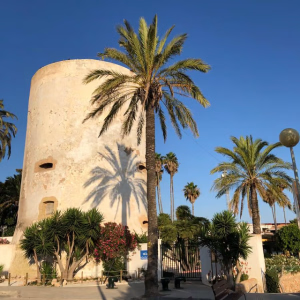
 Palmera Penthouse sits in a beautifully diverse region of the Costa Blanca South, where ancient cities meet coastal villages, and nature trails lead to hidden valleys. From historic Cartagena, Murcia, Alicante, Elche and Orihuela to charming harbour towns like Santa Pola and Torrevieja, there’s endless exploration on your doorstep.
Numerous sandy beaches lie within minutes, with generous free parking nearby. Hike along the coast or inland, cycle dedicated routes, tackle Via Ferrata climbs, or discover the Valle de Ricote behind Murcia. The salt lakes, Mar Menor, wine regions near Murcia and Elche, plus numerous golf courses in Orihuela Costa complete the picture.
Whatever your passion, your perfect day out awaits nearby.
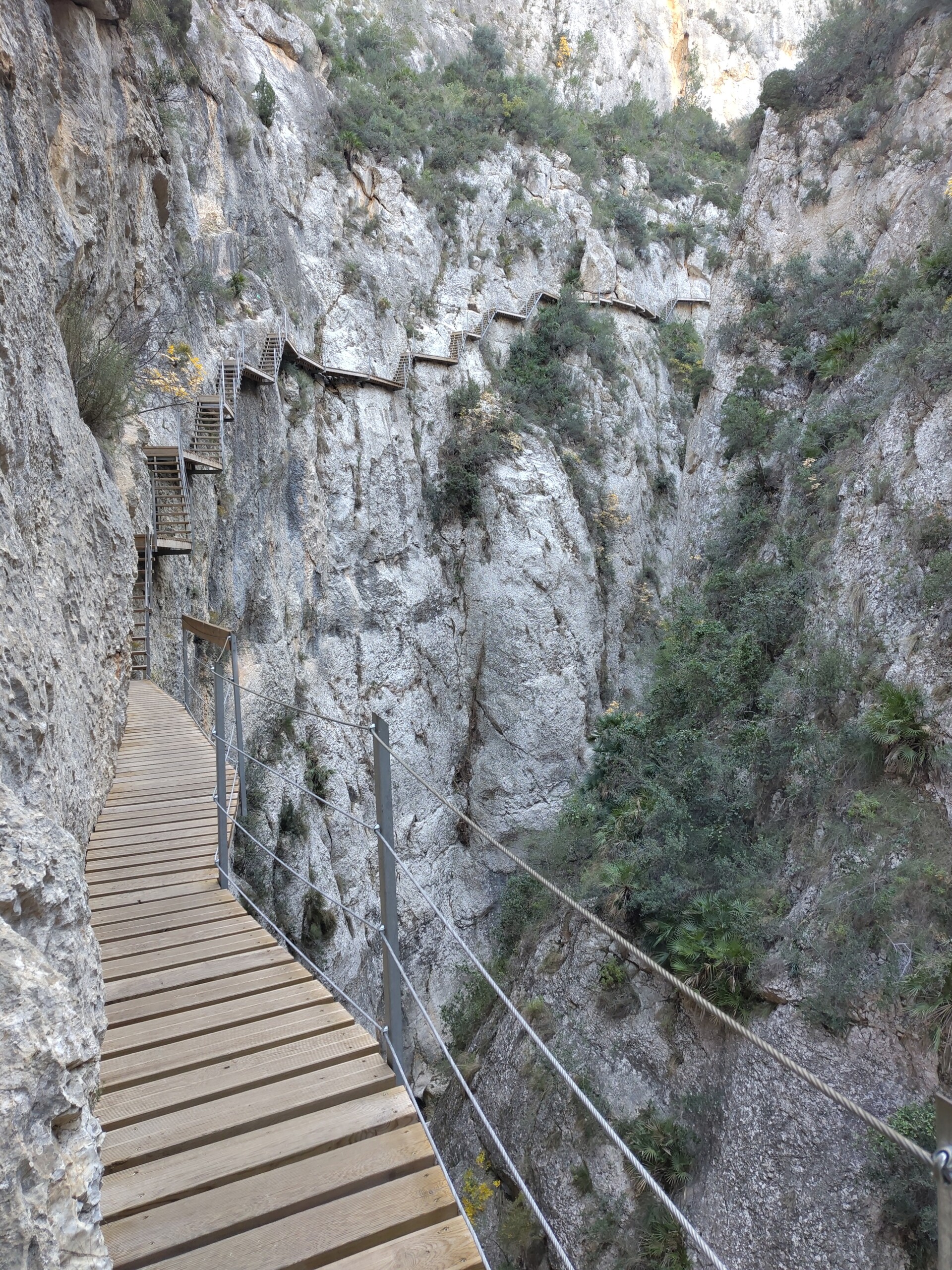 From gentle coastal strolls to adrenaline-fuelled climbs, the Costa Blanca keeps you moving all year round.
Walking & Cycling
Dedicated footpaths follow the coastline, wind inland through nature or let you enjoy the wonders of nature parcs. Well-signposted cycling routes cater to casual riders and serious cyclists alike, with bike hire available locally. All-weather surfaces make year-round enjoyment possible.
Via Ferrata & Adventure
Test your courage on Via Ferrata climbs near Elche, where iron ladders and cables guide you across dramatic rock faces. Suitable for beginners with proper instruction — adrenaline with breathtaking views.
On Your Doorstep
You don’t even need to leave the residence to get moving. Cool off in one of three swimming pools, challenge your companions to a game of padel or pétanque, or simply enjoy an evening stroll beneath the palms while the children make the most of the playground.
Bike hire and other practical details can be found on our Practical Information page.
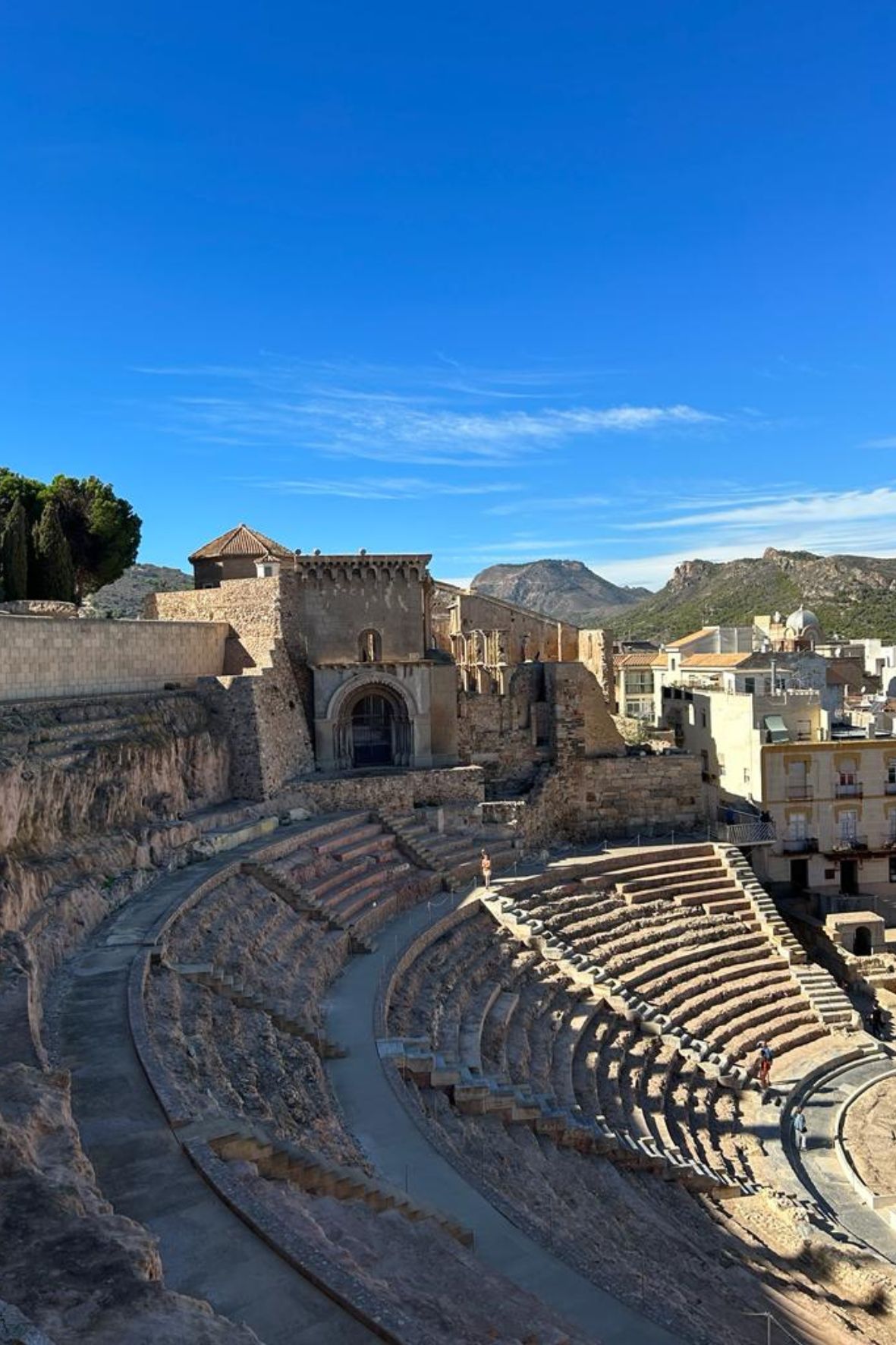 Step back in time among ancient cities, medieval quarters and whitewashed villages.
Ancient Cities
Explore five centuries of history in Cartagena’s Roman theatre, Murcia’s grand cathedral, Alicante’s Santa Bárbara castle, Elche’s UNESCO palm grove, and Orihuela’s medieval quarter. Each city offers museums, architecture, shopping and authentic tapas bars within 30 minutes’ drive.
Coastal Villages
Santa Pola and Torrevieja combine working harbours with sandy beaches, seaside restaurants and weekly markets. Watch the fishing boats arrive, stroll the marina, and taste the freshest seafood just minutes from your penthouse.
Further Afield
Altea’s whitewashed old town and blue-domed church draw visitors from around the world. Villajoyosa delights with rainbow-coloured fishermen’s cottages and chocolate heritage. Our top pick: Guadalest — a cliff-top medieval village with castle ruins and reservoir views, one hour inland. Worth the drive.
Practical details such as restaurant ideas can be found on our Practical Information page.
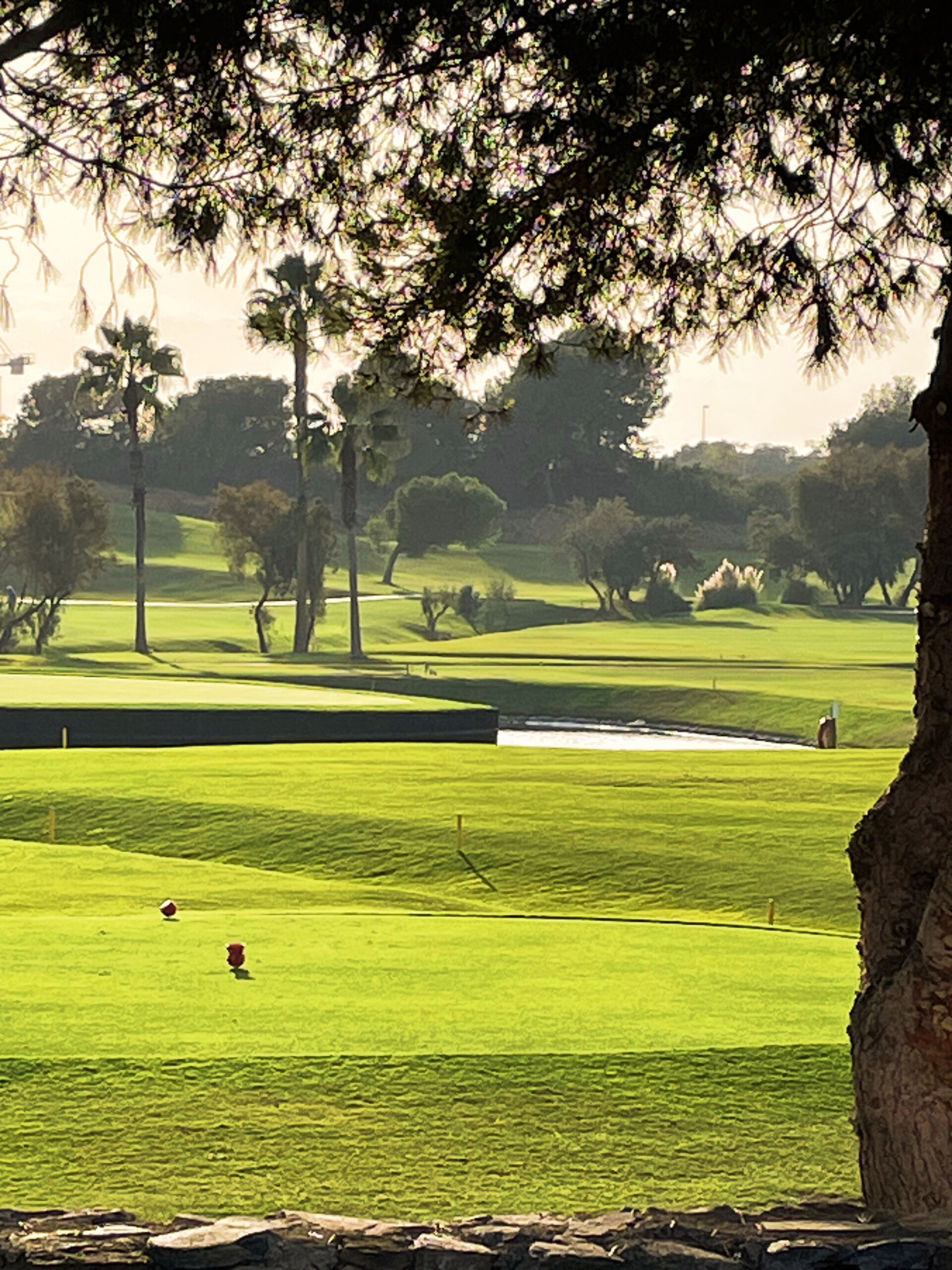 Tee off where the sun almost always shines — world-class golf, right on your doorstep.
Orihuela Costa boasts world-class golf within minutes of your door
Play championship courses designed by renowned architects, enjoy clubhouse dining, or take lessons from PGA professionals. Year-round green fairways guaranteed. With nine courses within 25 km, you can play a different course every day of your stay. Three favourites are practically around the corner:
Villamartín — Just a five-minute walk from Palmera Penthouse, this classic 1972 championship course winds through mature Mediterranean pines and offers wonderful views over the coastline. Legends such as Seve Ballesteros and José María Olazábal have played its famous greens.
Las Ramblas — A short drive away, this dramatic course is built across steep terrain threaded with natural ravines. Leafy pines provide welcome shade, and the elevated fairways reveal glimpses of the Mediterranean.
Las Colinas — Tucked into rolling green valleys and pine forest a little further inland, Las Colinas is widely regarded as one of the region’s most beautiful courses — a serene setting that feels a world away from the coast.
Whether you’re an avid golfer chasing your handicap or picking up a club for the first time, this is the area to stay.
The full list of golf courses, with locations and distances, can be found on our Practical Information page.
A taste of what’s nearby
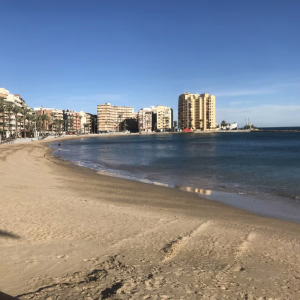
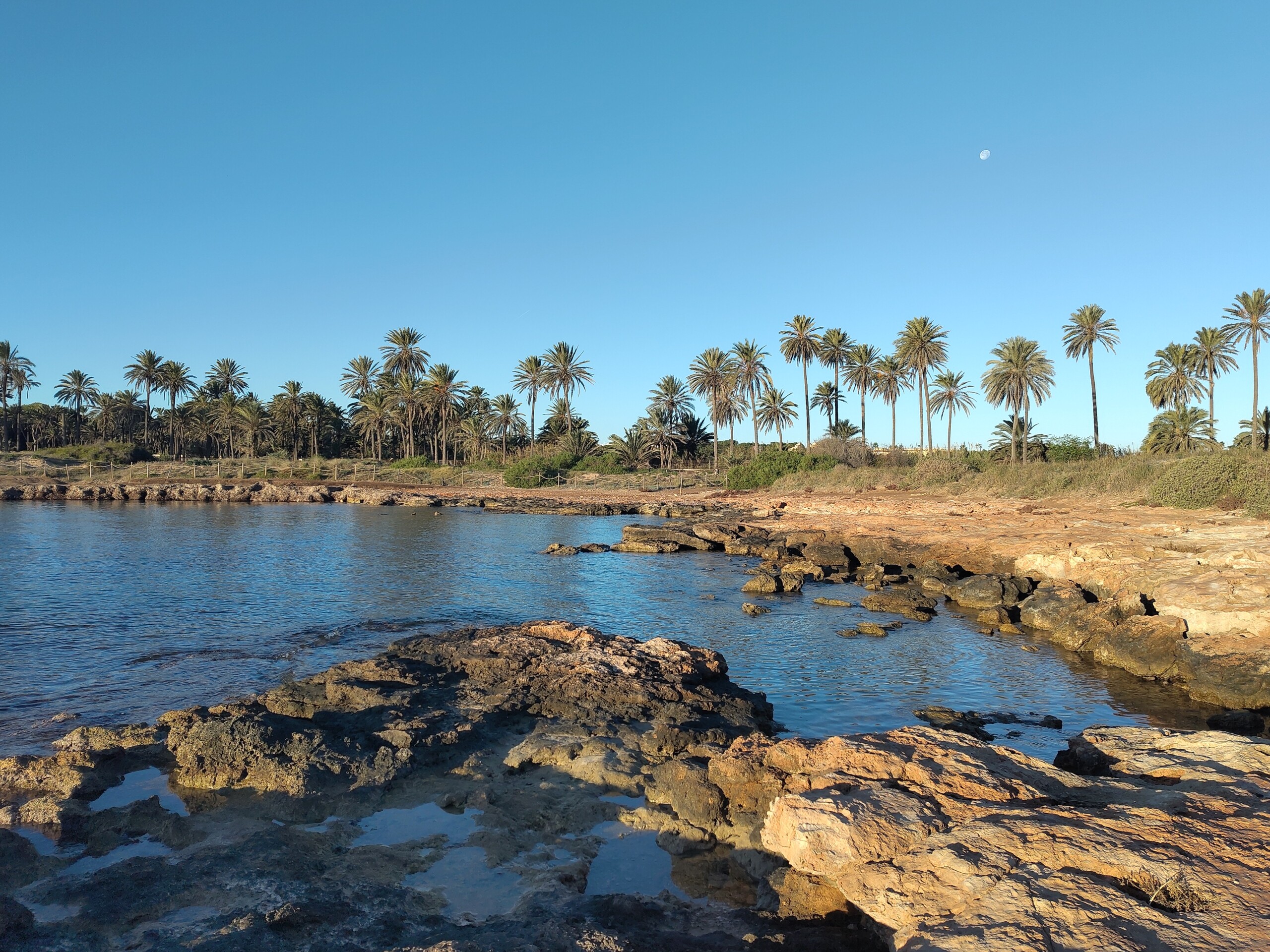
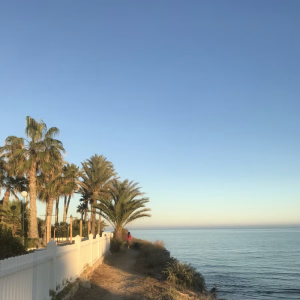
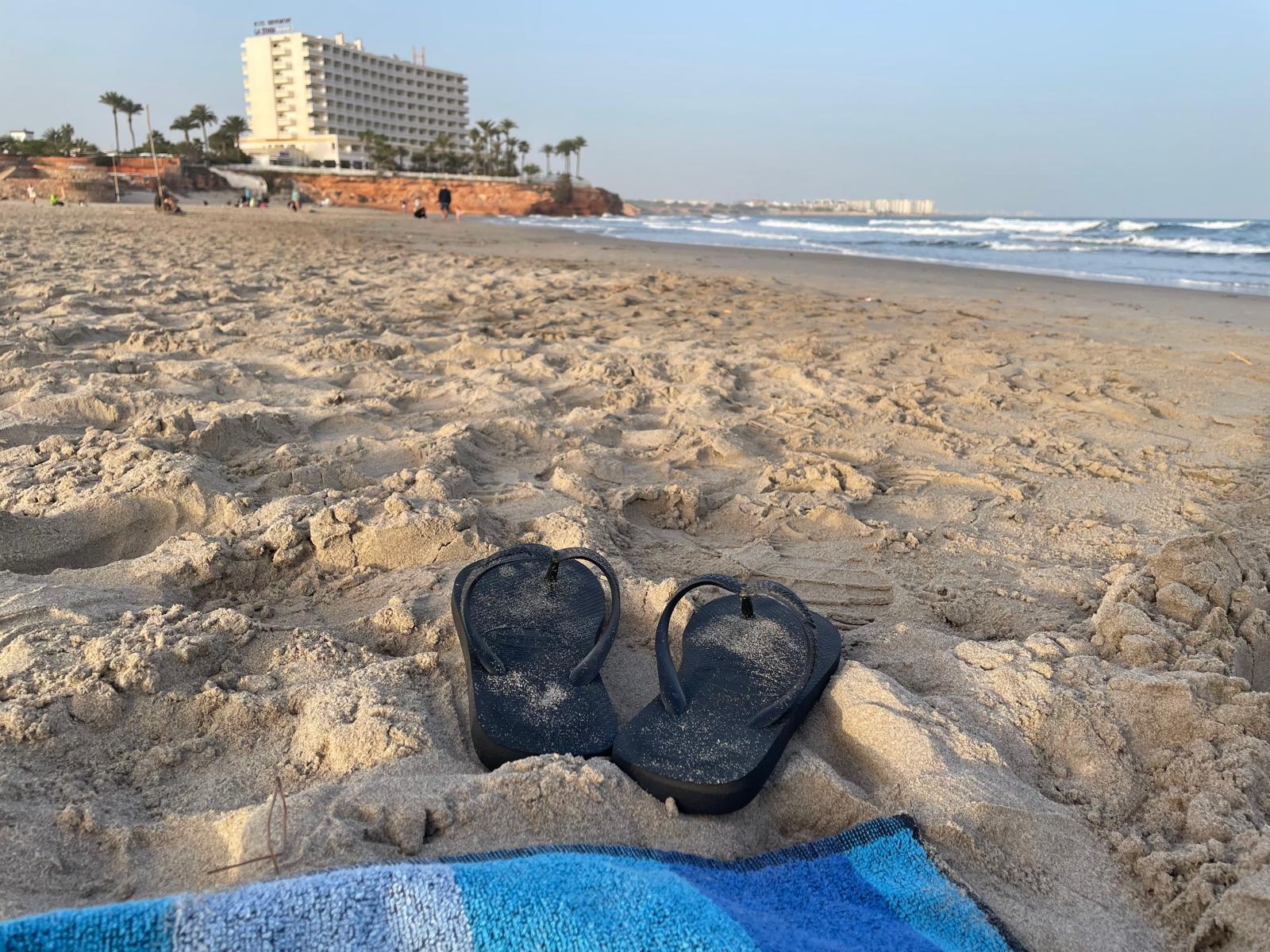
Golden sands and hidden coves, just a 10 minute drive away, with even more to discover further along our beautiful Costa Blanca Coast.
The closest beach to Palmera Penthouse is Playa de la Zenia. It’s a wide stretch of golden sand with calm waters, perfect for families. Our personal favourite, however, is Cabo Roig: a quieter, more laid-back spot where locals and regulars gather for sunset tapas and gentle waves. Further along the coast, discover Playa de las Américas, Playa Flamenca, Punta Prima and Torre del Mar, each offering its own character and atmosphere. From bustling promenade cafés to tranquil coves, you’ll find the perfect beach for every mood — most within a 10-minute drive.
Parking & Beach access
Free public parking is available throughout the region, including near most beaches. Your car is secure in the underground garage, or easily parked on arrival for day trips.
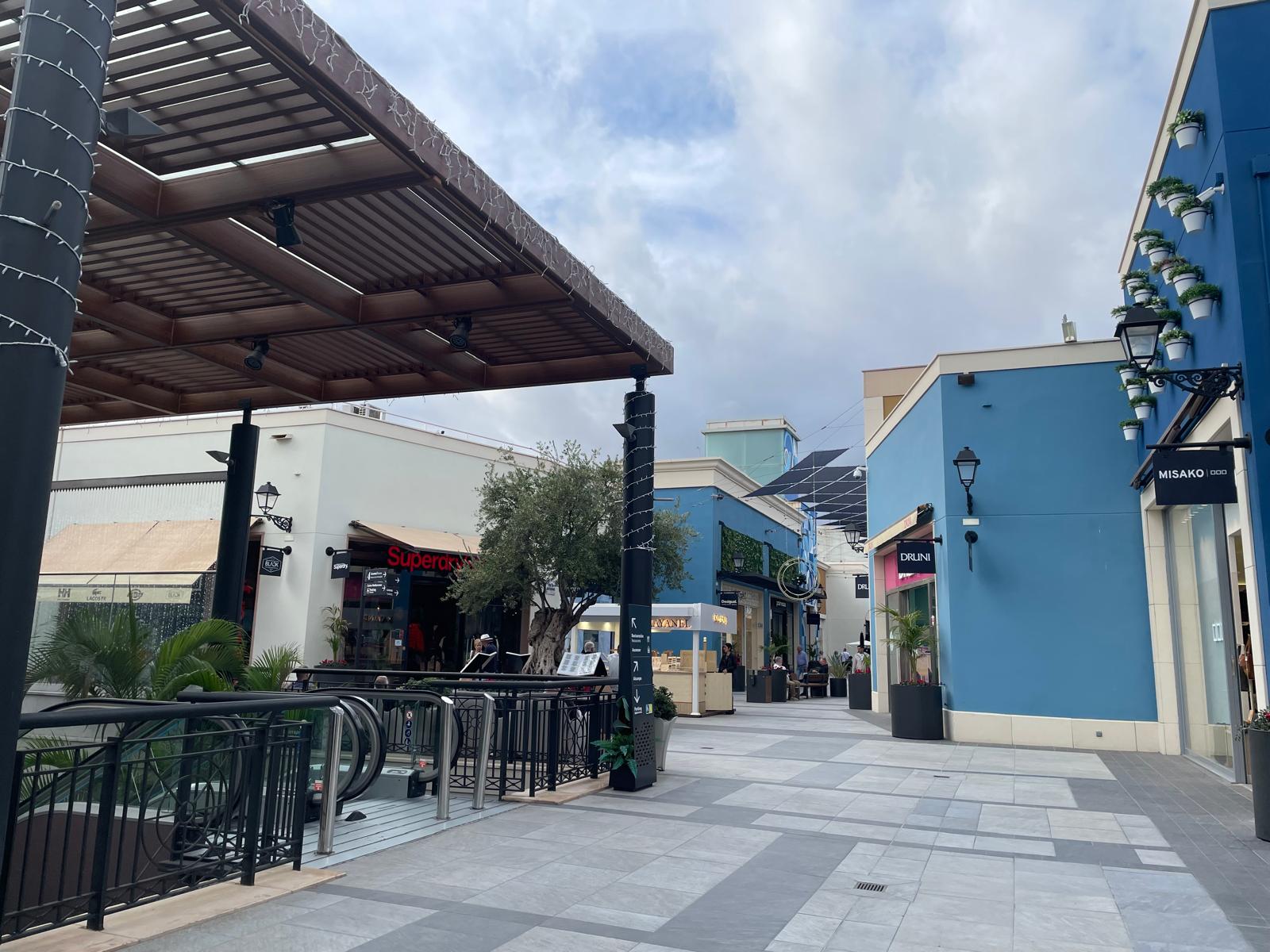
Just a few minutes’ drive from Palmera Penthouse lies La Zenia Boulevard, the largest shopping centre in the province of Alicante. With more than 150 shops, terraces, restaurants and a lively events programma, it’s a destination in itself – whether you’re after fashion, interiors, or simply a spot of window shopping in the sunshine.
Open seven days a week, with plenty of free parking.

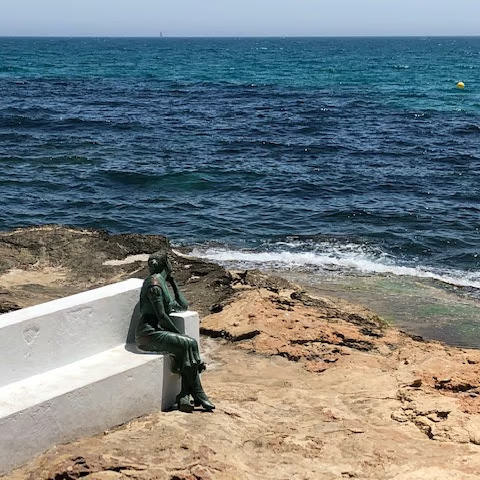
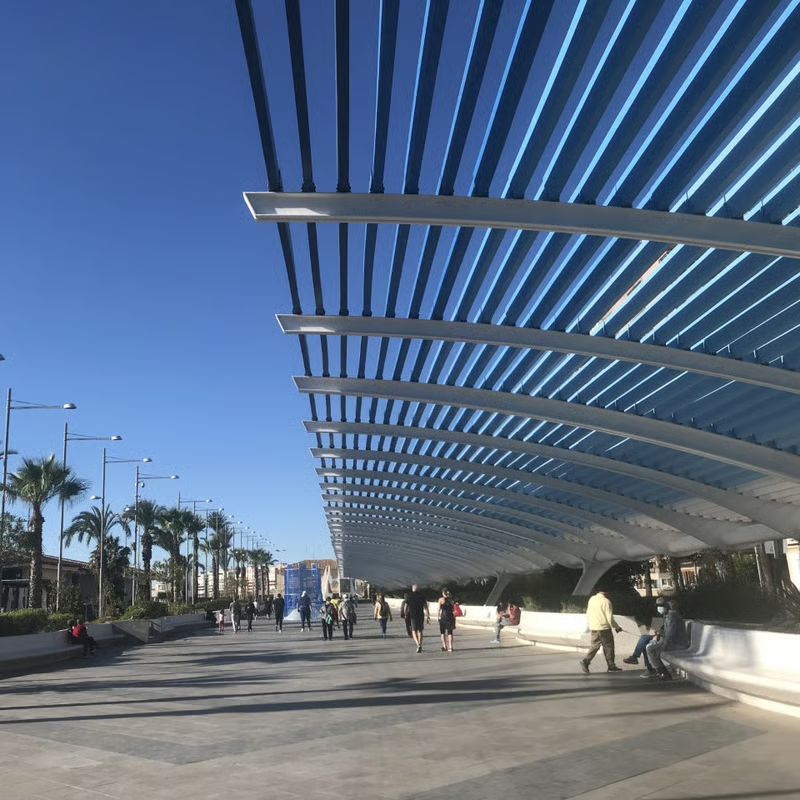
As the heat of the day fades, the boulevard of Torrevieja comes to life. An evening market stretches along the waterfront, with stalls selling crafts, souvenirs and local treats, while street musicians add to the holiday atmosphere.
Right on the harbour you’ll find the brand-new Paseo del Mar, a modern leisure centre opened in summer 2026, with shops, restaurants, a multi-screen cinema and even a bowling alley — a great option for a family evening out.
Pair your stroll with an ice cream or a drink at one of the seafront cafés and watch the sun dip into the Mediterranean — a perfect end to a beach day.
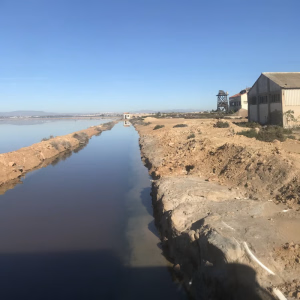
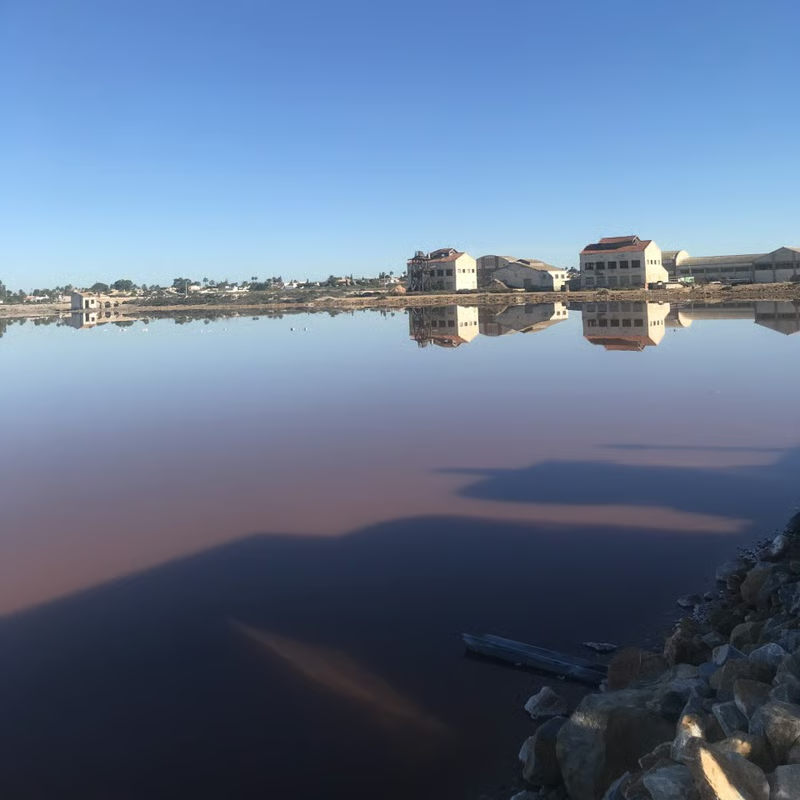
The salt lakes near Torrevieja are one of the region’s most remarkable sights. The larger lake shimmers in a striking pink hue and is still actively used for salt production — the little train tour takes you there, departing from the Torrevieja boulevard. Along the way you’ll learn how the lakes formed and how salt is harvested, and at the site you can climb a genuine salt mountain for a wonderful view. Booking is essential (www.visitasalinasdetorrevieja.com).
Beside it lies the greener-blue lagoon of La Mata. Together they form a beautiful nature reserve, where flat, well-marked trails wind between the lakes — perfect for a relaxed walk or a bike ride, with flamingos and other birdlife along the way.
North along the coast, towards Alicante, the salt pans of Santa Pola offer more salt-pan scenery — and some of the best flamingo spotting in the region, with colonies that can number thousands of birds. Join a guided tour to learn about the salt, the birds and the flora, or follow the accessible trails yourself; there’s even a Salt Museum to visit.
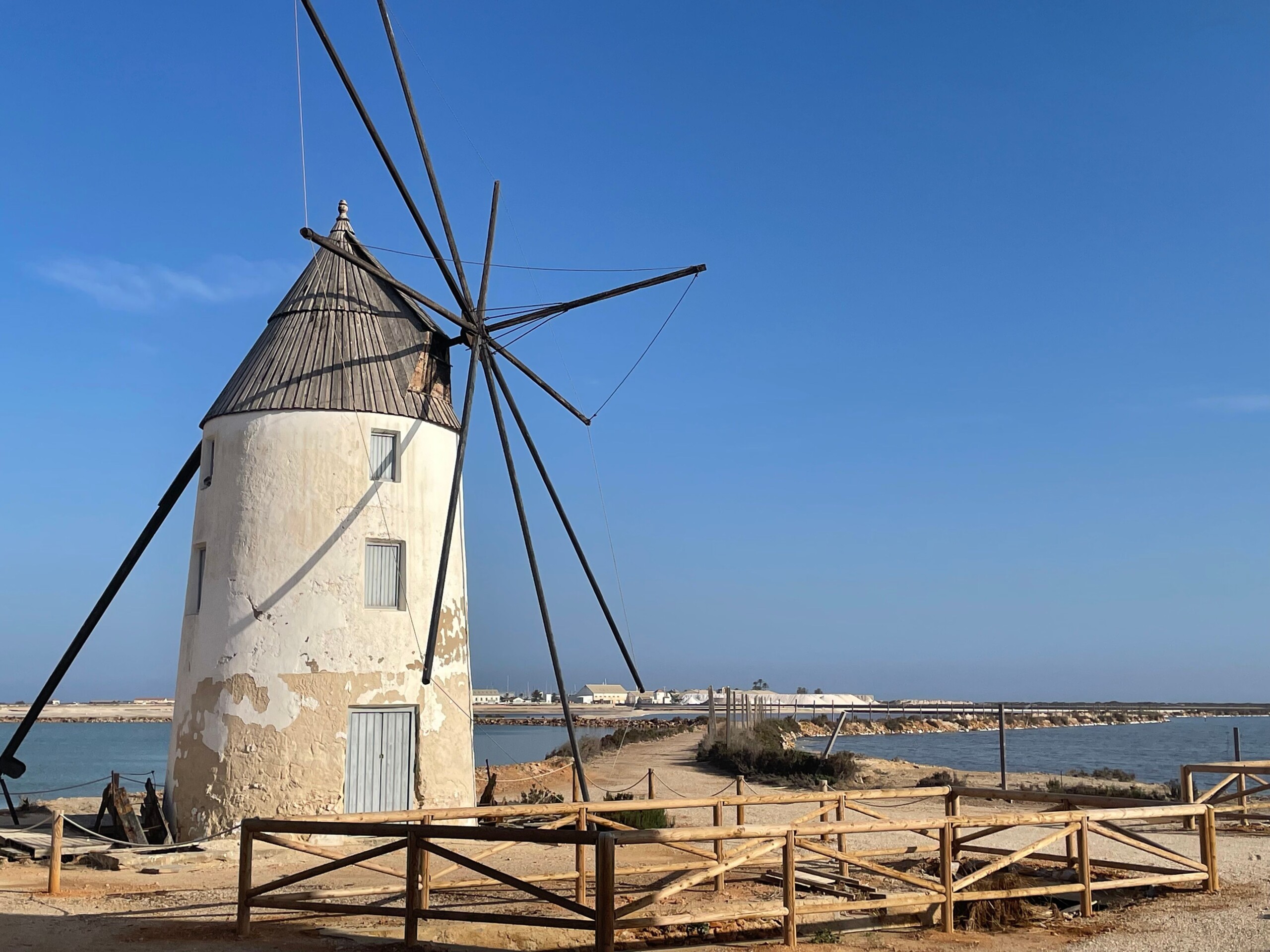
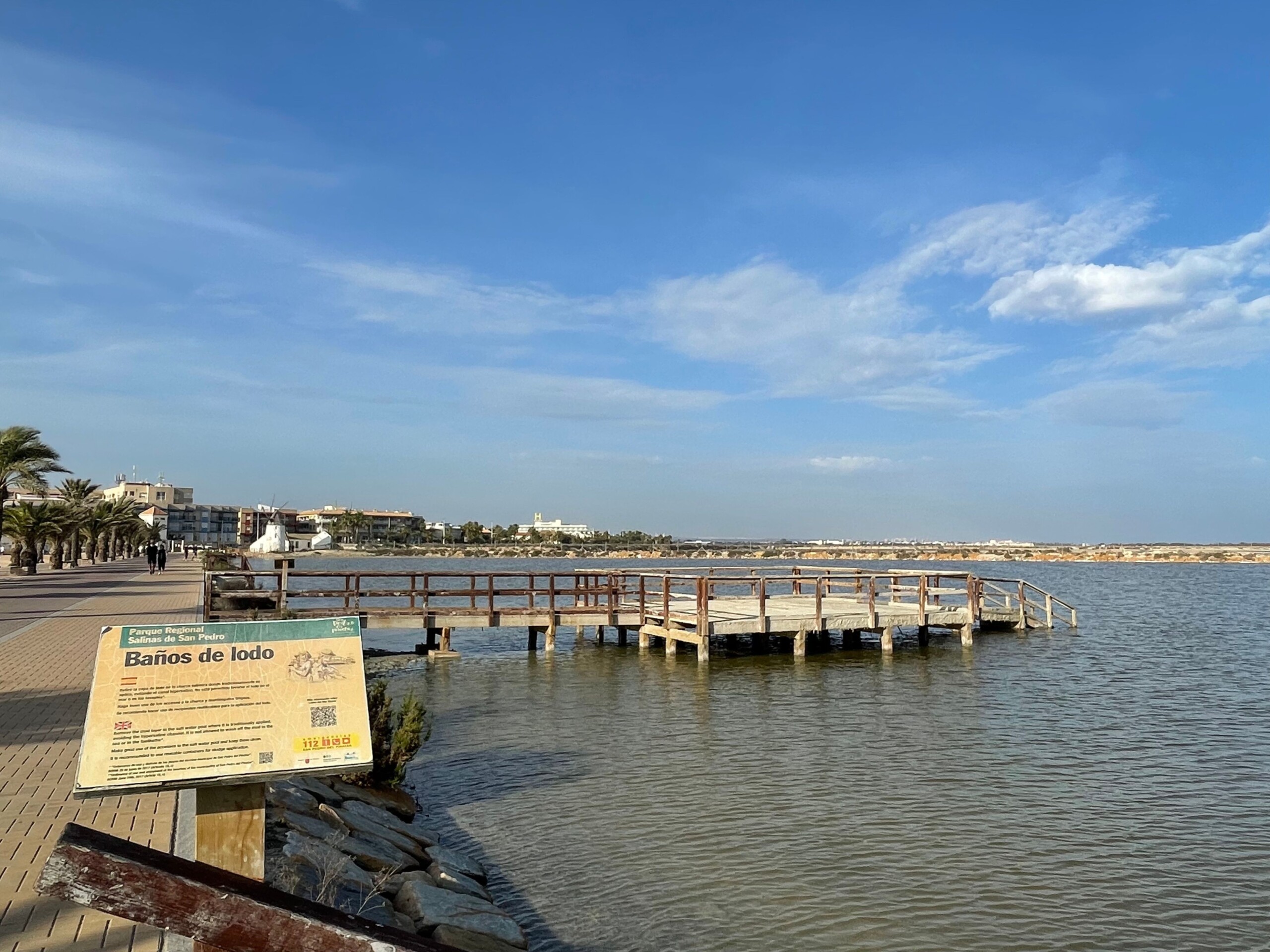
Just to the south lies the Mar Menor, Europe’s largest natural saltwater lagoon, whose calm, shallow waters are ideal for swimming and water sports. The surrounding nature reserve offers walking trails past dunes and salt pans — and the famous therapeutic mud baths.

Just inland lies Orihuela, a small, atmospheric city pressed against the mountains — a world away from the coastal bustle. Its centuries-old monuments — the grand cathedral, the palaces, the convents — lie wonderfully close together, so you can wander from one to the next through the medieval quarter without ever needing the car.
For hikers, the town is the starting point of several trails up the mountainside, including the route to the famous viewpoint by the seminary. There you’ll be rewarded with sweeping views over the old city rooftops and the vast green valley below.
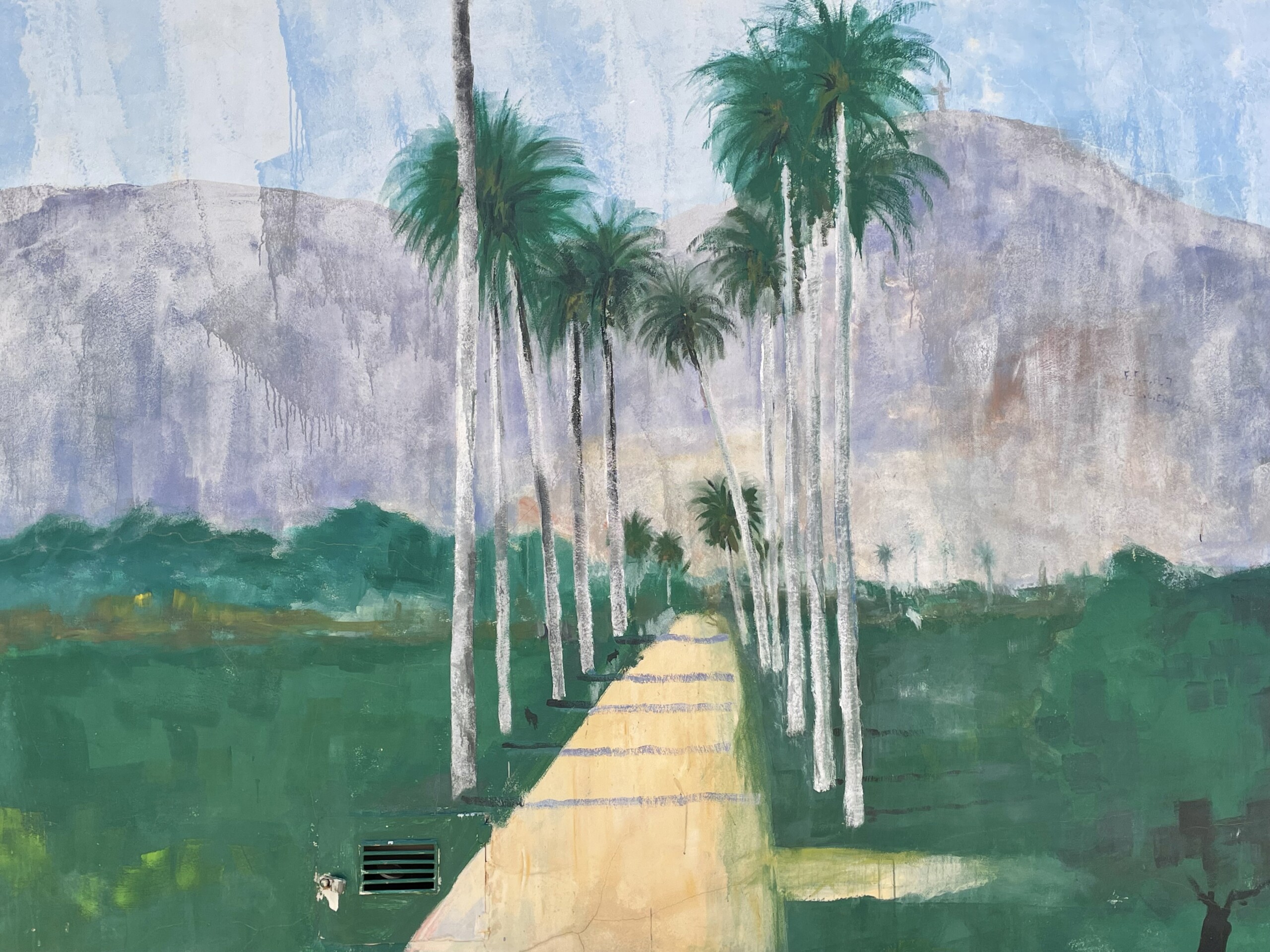
Art lovers shouldn’t miss the district of San Isidro, better known as the Murals of San Isidro. Here, some 50 murals have transformed the facades of one of the city’s poorer neighbourhoods into an open-air museum — giving the district a newfound pride and beauty. And the climb pays twice: from these streets you look out over the rest of the city and the valley beyond.
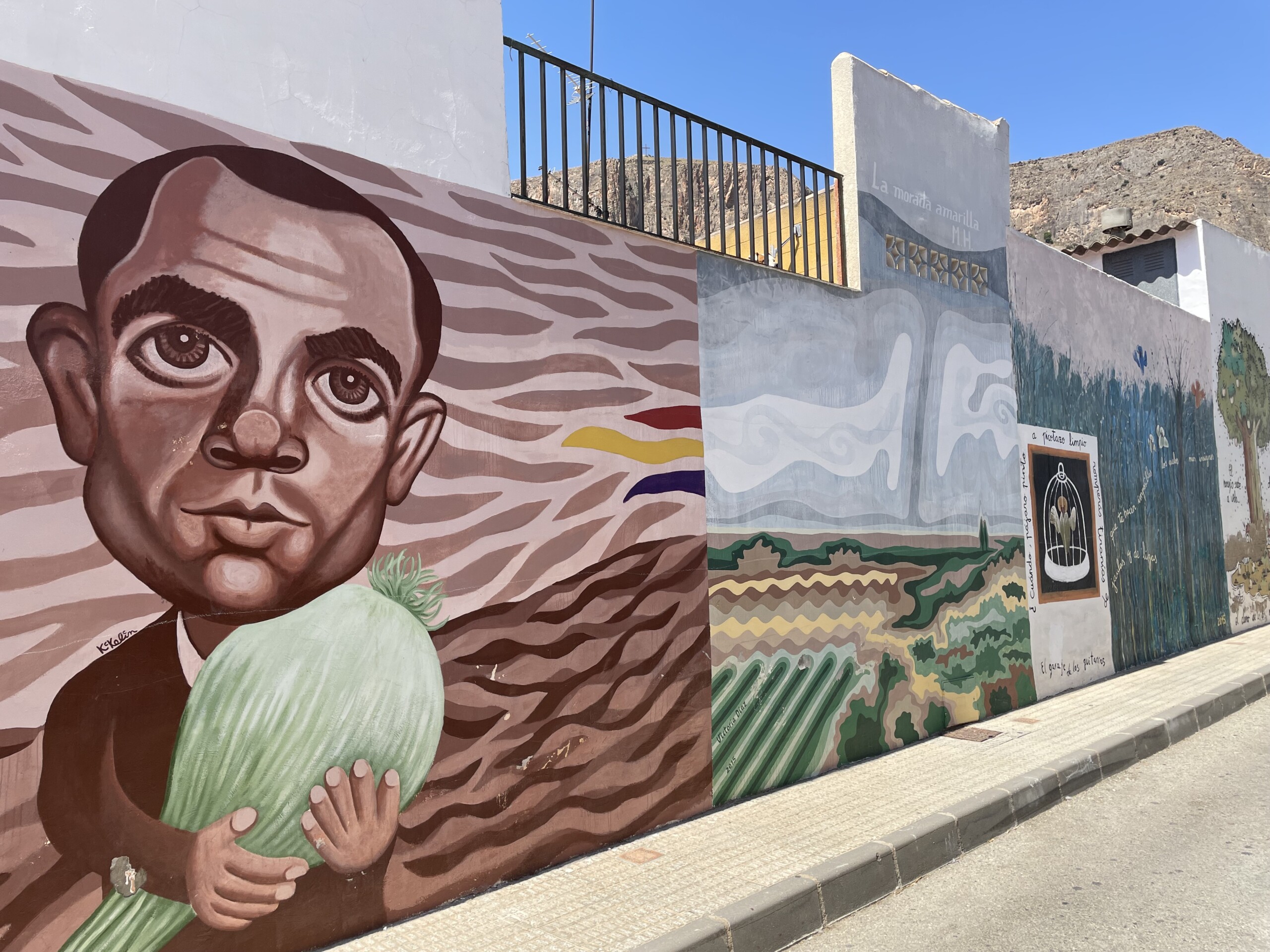
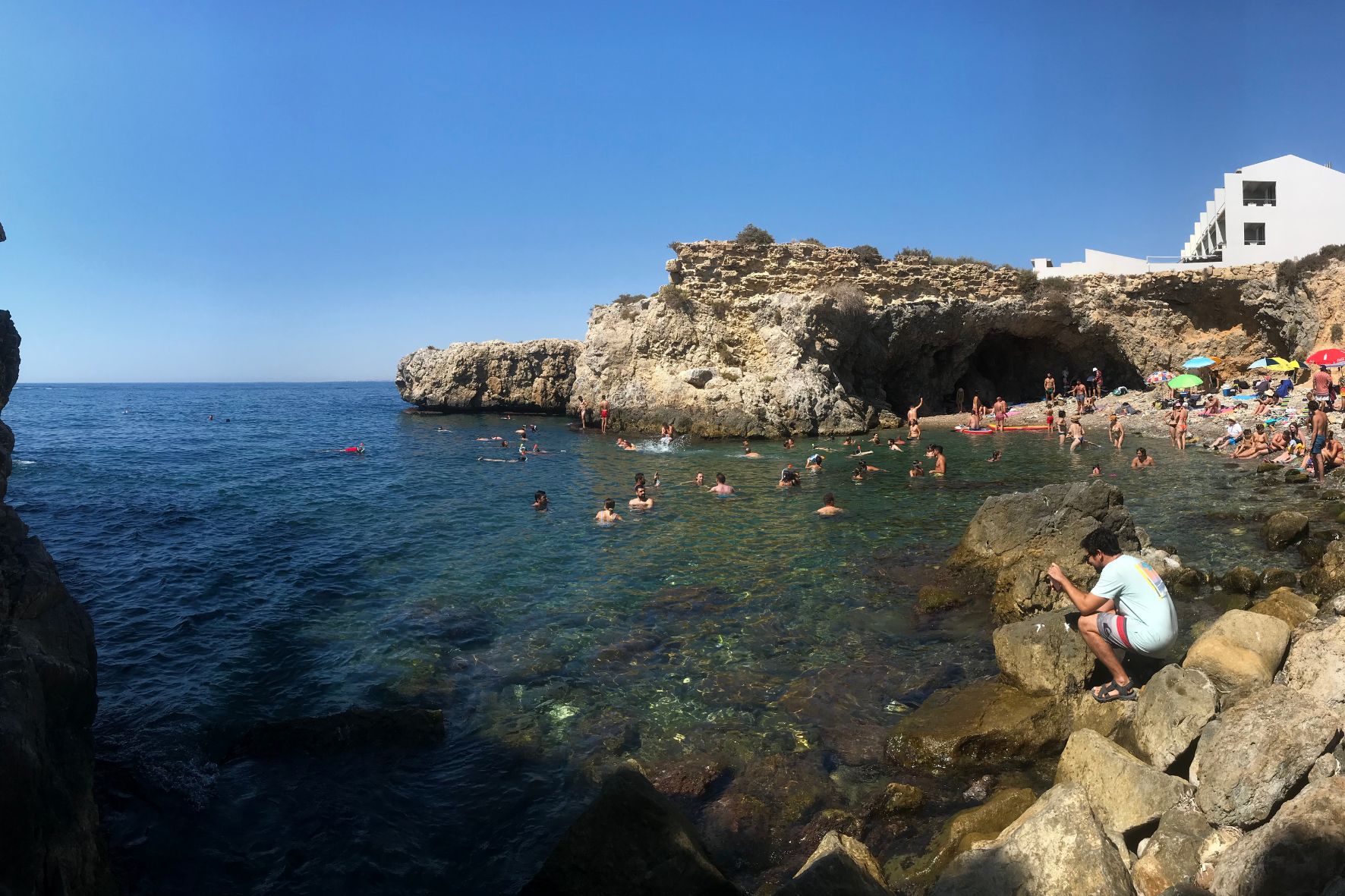
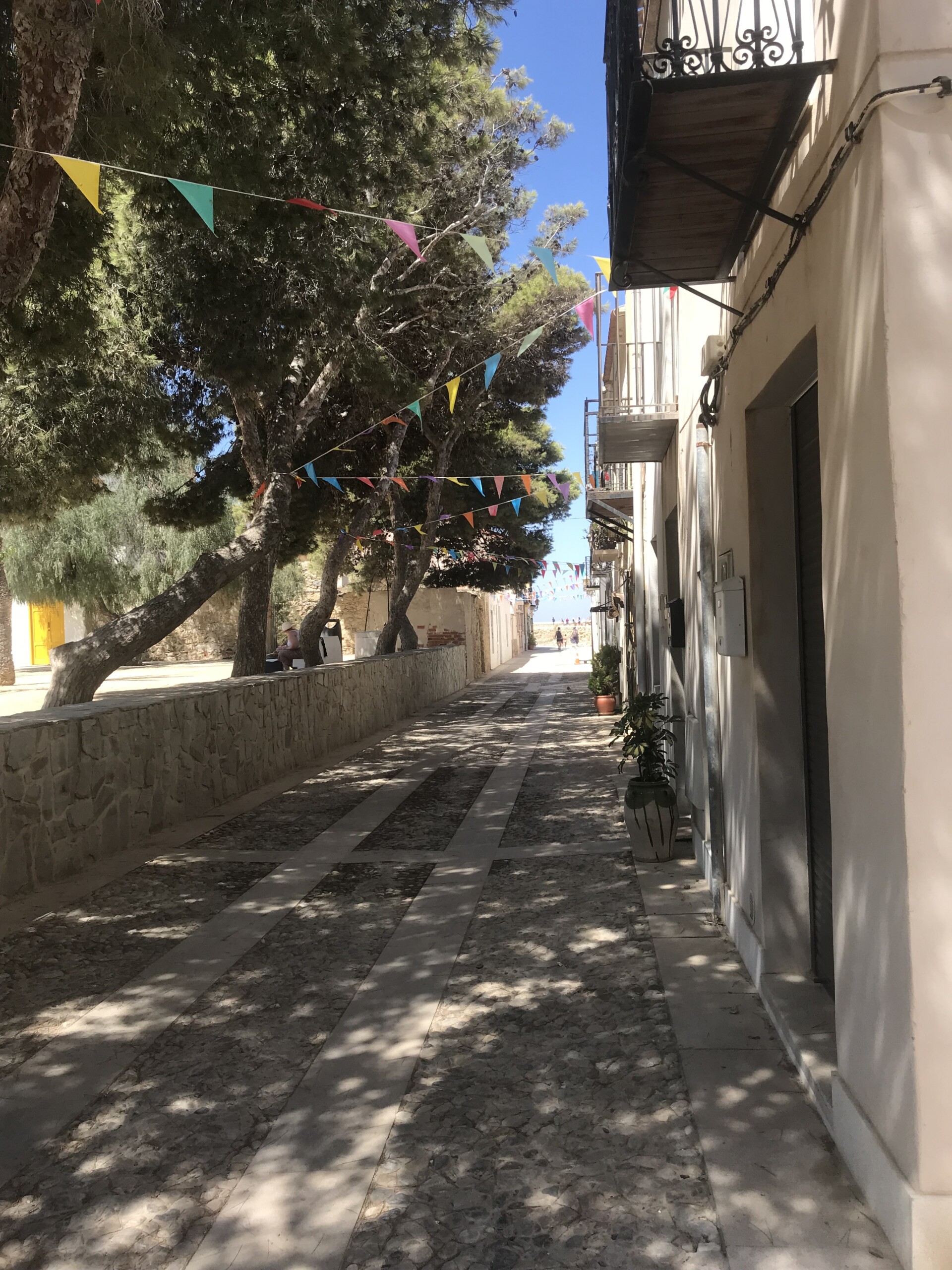
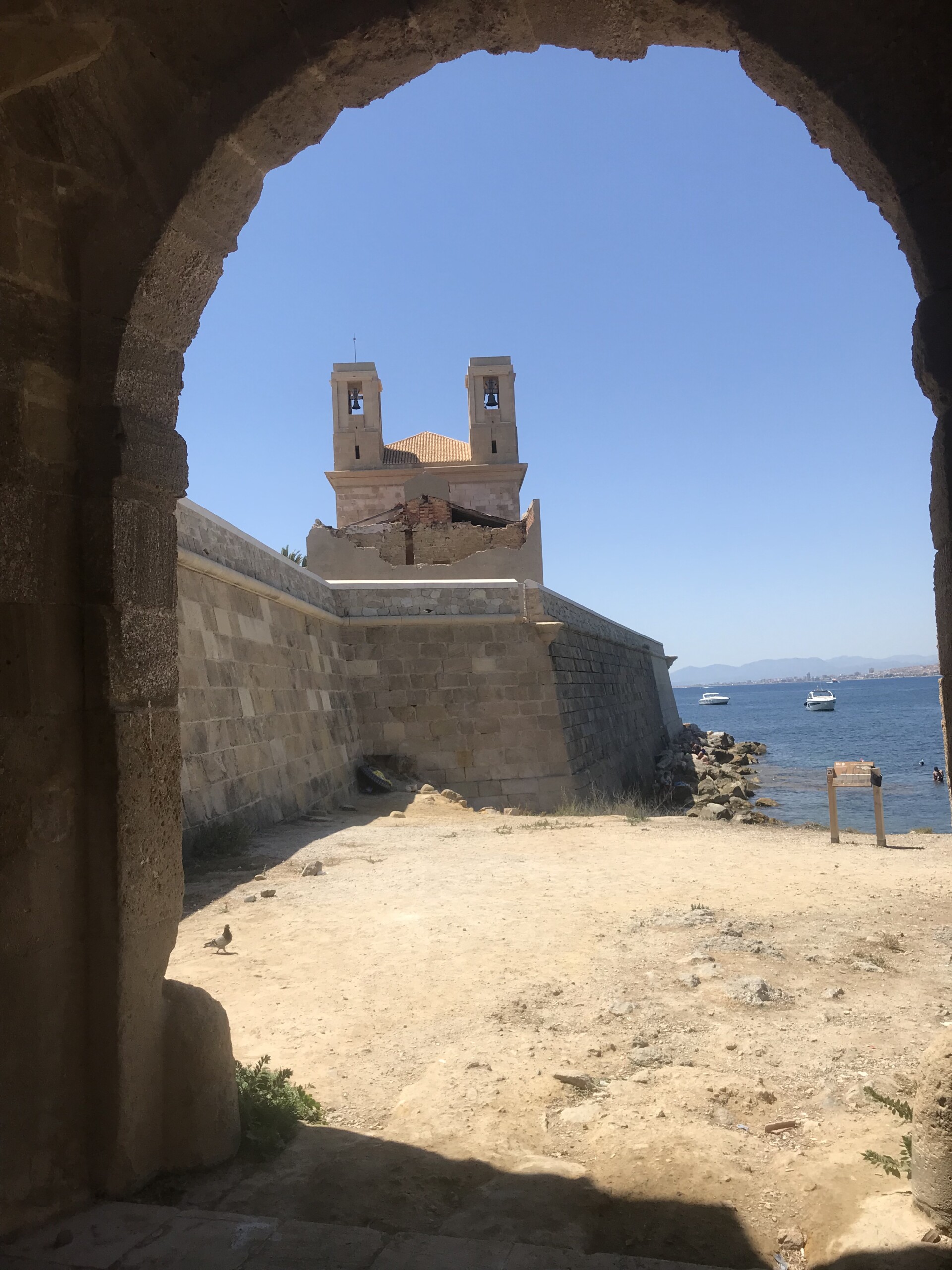
Just off the coast near Santa Pola lies Isla de Tabarca — the only inhabited island in the Valencian Community, and well worth taking the day for. In centuries past, this rocky islet served as a refuge for Barbary pirates who raided the Mediterranean coast, until King Charles III of Spain drove them out in 1768 and settled Genoese fishermen here — whose descendants still live on the island today.
Step off the ferry and into a car-free paradise: a compact old town enclosed by historic walls, traditional fish restaurants serving fresh catch, and crystal-clear waters perfect for snorkelling (equipment can be rented on the island). Some ferries even have a glass bottom — near the island you can head downstairs and watch the fish glide beneath your feet. Really fun, especially for children!
You can depart from Torrevieja, Santa Pola (shortest and cheapest boat trip) or Alicante. Check our Pratical Information page and book online, or visit the harbours for information and bookings.
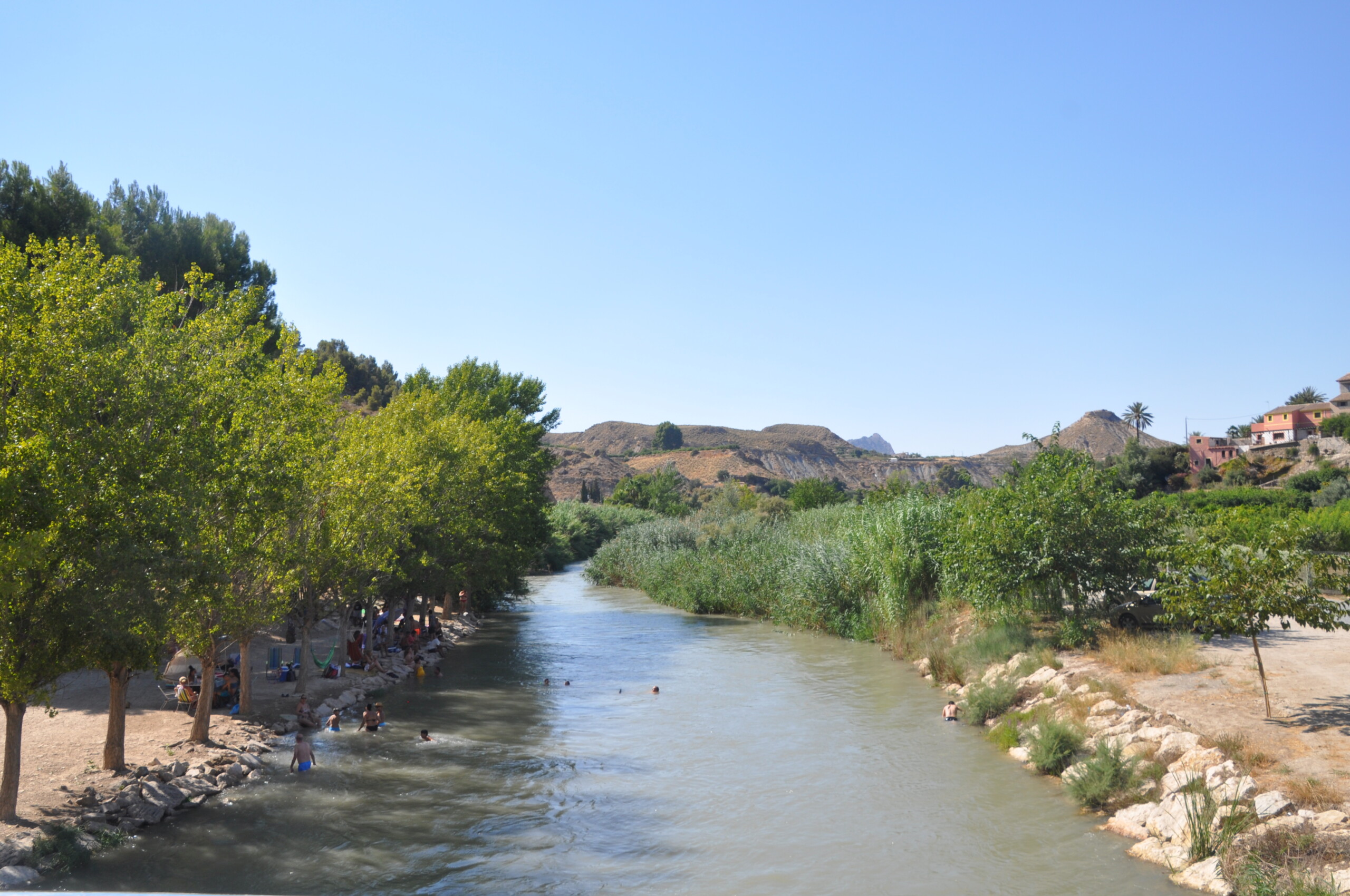
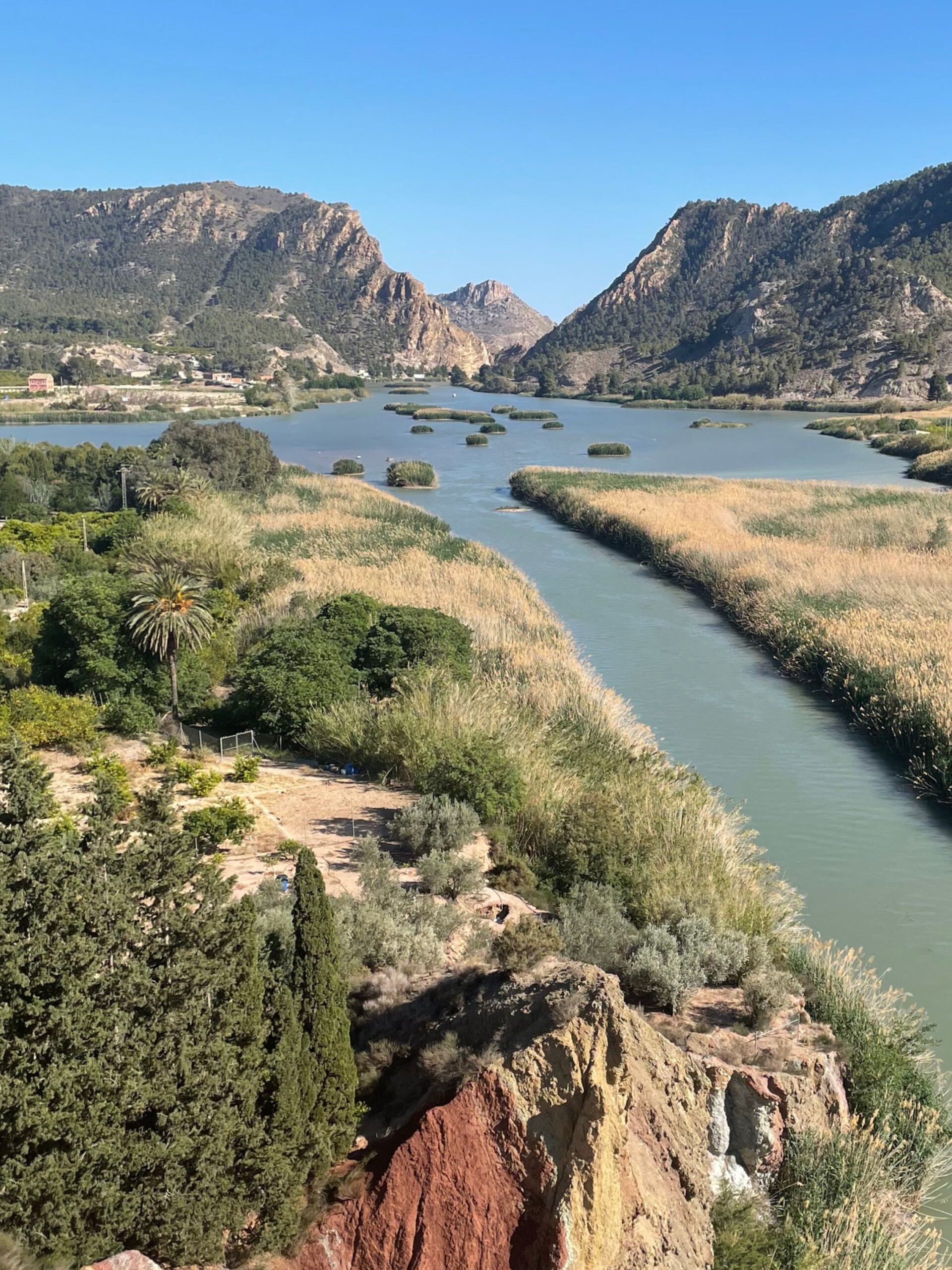
Escape to the Valle de Ricote — the enchanting Moorish valley that stretches from Cieza to Archena, following the course of the river Segura. Whitewashed villages cling to steep slopes above the water, while groves of citrus and palm trees fill the valley floor. Cross the bridge in Blanca and drive up to the Mirador Alto del Bayna for the best views of the valley and the river.
Adventurous souls can go rafting on the Segura at Blanca — great fun, and a wonderfully different way to see the valley from the water. Or simply let the river carry you downstream and stroll back along the bank, as the locals always do in the summer. And in Archena, the centuries-old thermal baths of the Balneario de Archena await: soak away any cares in the warm mineral waters, just as people have done here for centuries.
It’s a little over an hours’ drive from Palmera Penthouse — so plan a full day to do the valley justice. Unhurried, authentic and blissfully quiet compared to the coast.
Visiting in late winter? Then time your trip with La Floración in February and March. Thousands of peach, apricot and plum trees around Cieza burst into bloom, covering the valley in clouds of pink and white (www.floraciondecieza.com).
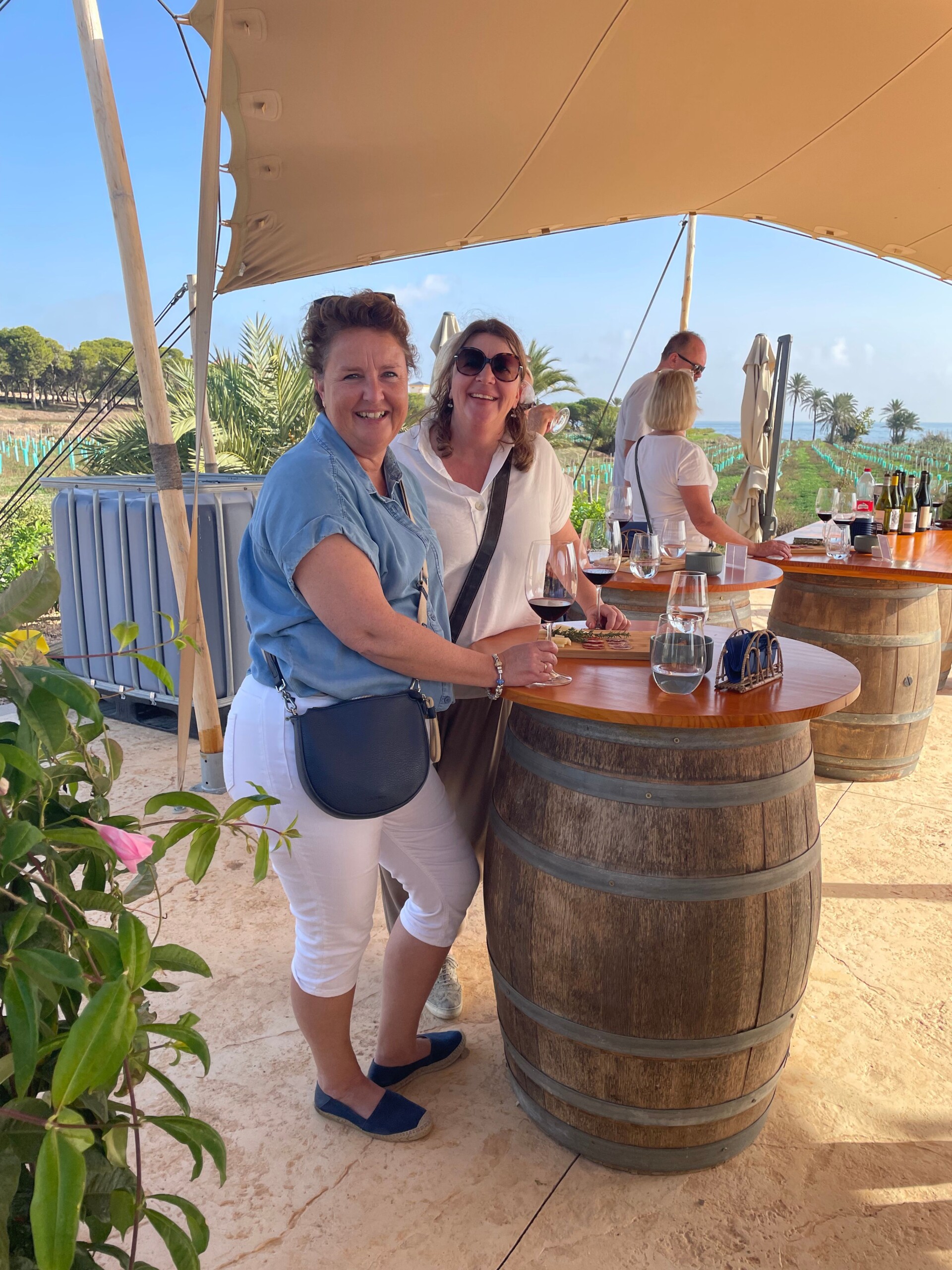
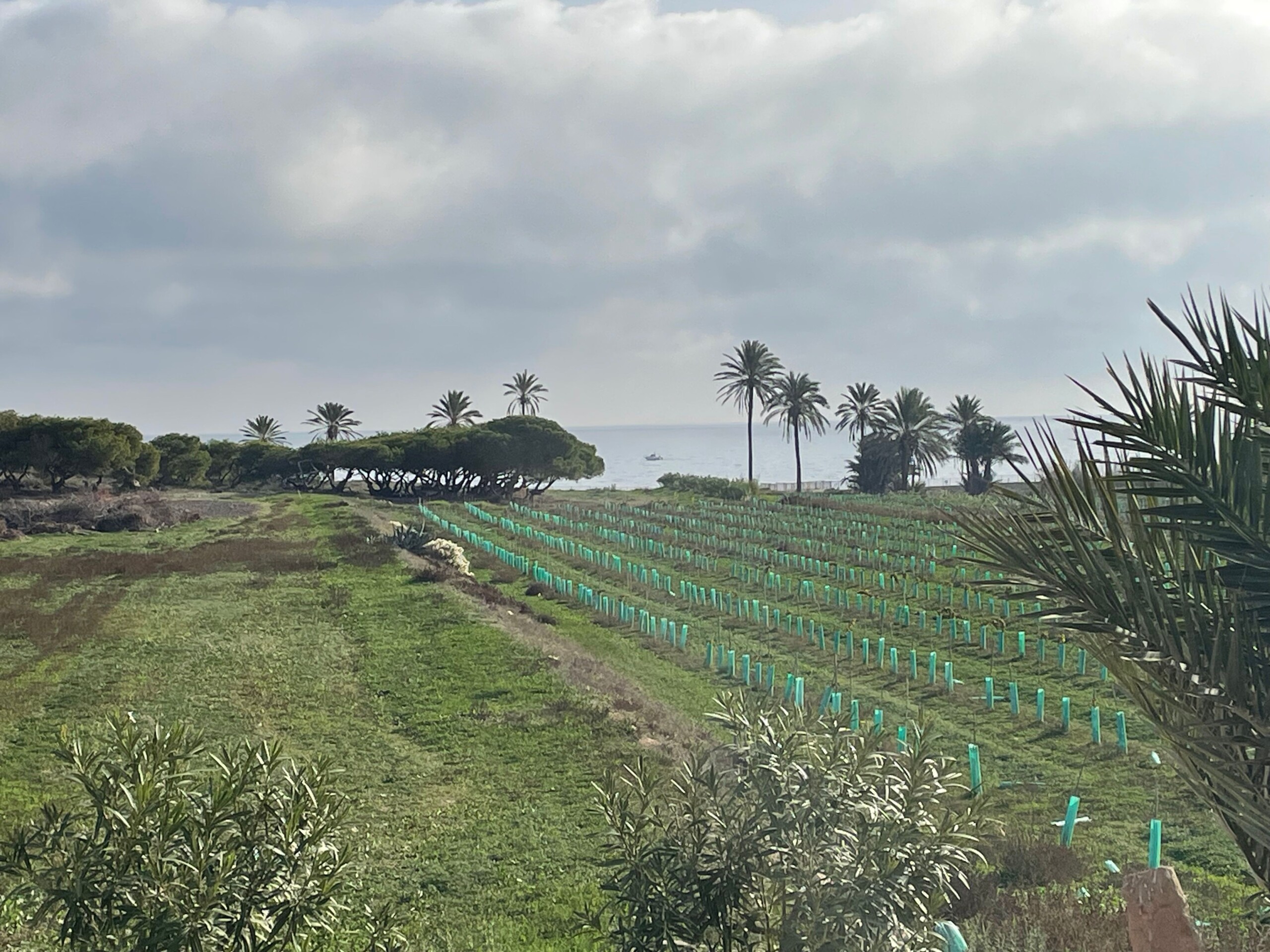
You don’t have to travel far for a good glass — wine is made closer than you think. In the former Palmeral of Torrevieja, one of the few palm groves by the sea, the young eco-winery Universo Ferris x Rafa Bernabé welcomes you for tastings amid vines, palms and sea breeze. In the La Mata nature reserve, vineyards even grow between the salt lakes: join a sunset tasting there, enjoyed with food beside the old salt factory as the lagoon turns golden.
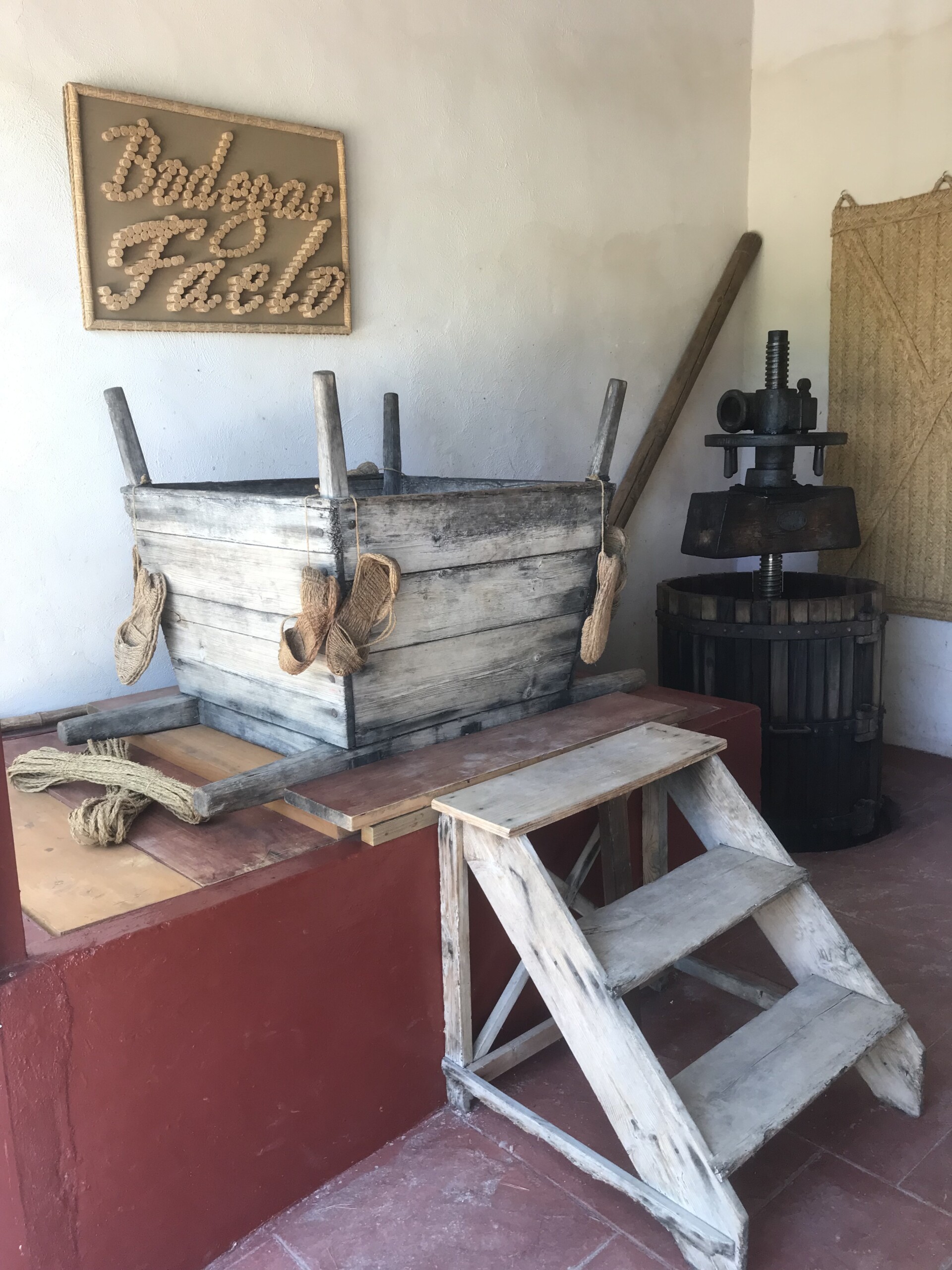
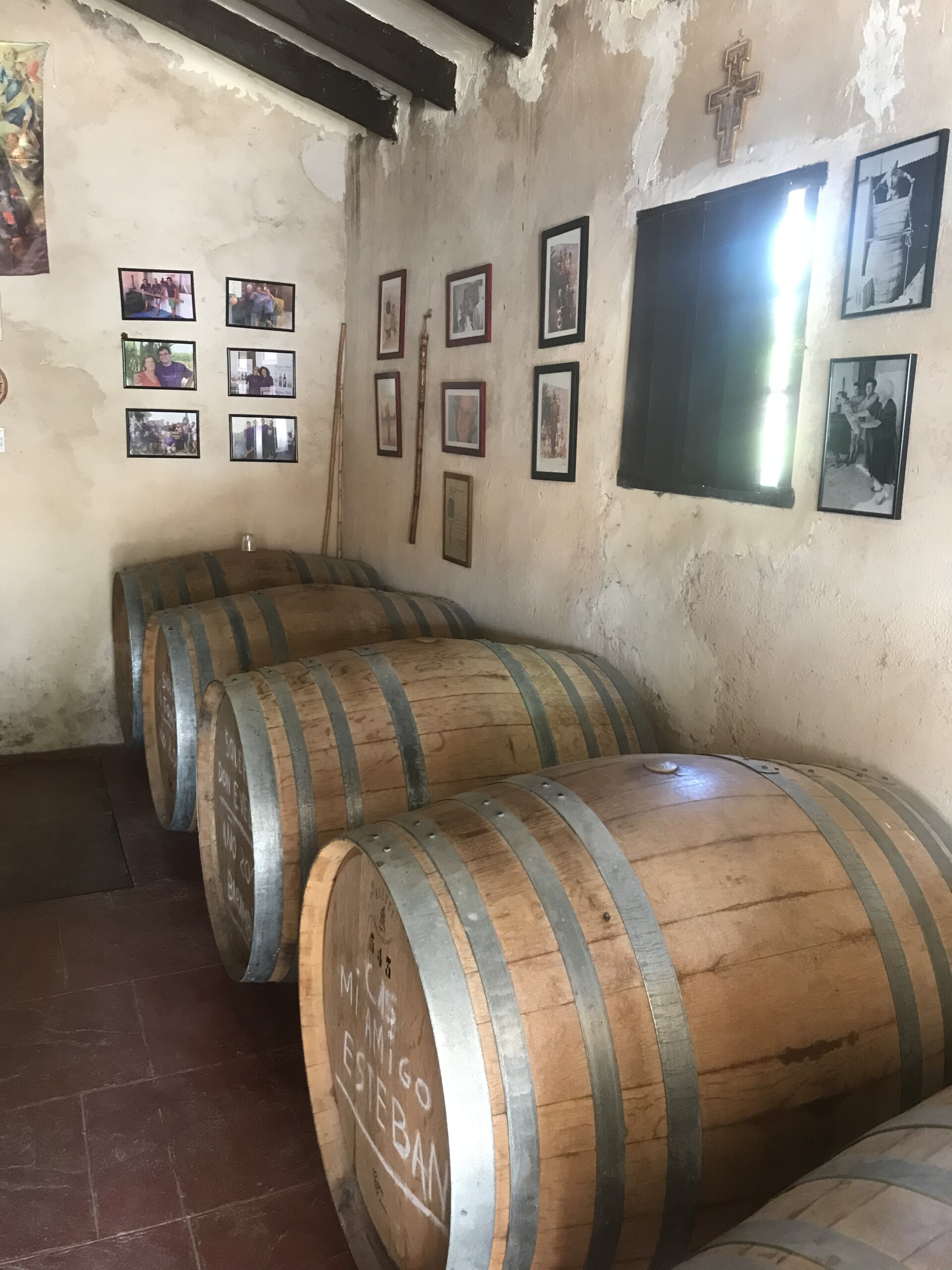
Heading towards Elche, visit the biodynamic winery Faelo, where friendly tastings come with tapas made from local produce. And further inland lies the vast Jumilla wine region, stretching from Bullas to Yecla — a large area brimming with bodegas to visit, from small family estates to impressive wineries.
A delicious way to spend an afternoon — and don’t forget a bottle or two for your rooftop terrace at Palmera Penthouse.
Practical details about visiting wine farms, bodegas or regions can be found on our Practical Information page.